
1.4.1-2 Documentation system
Illuminating the Path to ISO 15189 (SLMTA 3) e-Learning Course Download Video
- Resources
Instructor(s)
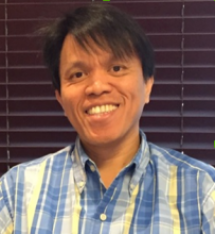
Elde Mel Paladar
Mr. Paladar led the redesign of the classroom-based SLMTA 3 curriculum for on-line delivery and will serve as an instructor and facilitator of the e-learning course. Based in Malawi, he is a Project Manager at Adventist Health International, as well as Assistant Professor at the Department of Clinical Laboratory Science, Loma Linda University. Mr. Paladar has a Master of Science in Biochemistry and Molecular Biology. He is a SLMTA master trainer and has trained numerous laboratorians in the past decade.
Supported Browsers: Google Chrome, Microsoft Edge or Mozilla Firefox
Course contents
Course OverviewMANAGEMENT RESPONSIBILITY
1.1 Management Responsibility Introduction
Introduction
1.2 Management Tools
Process Mapping
- 1.2.1-1 Introduction to Management Tools and Process Mapping Activity Part -1 2024 5:57
- 1.2.1-2 Process Mapping Activity Part-2 2024 3:17
Using the Model for Improvement
- 1.2.2-1 MFI Part 1 3:08
- 1.2.2-2 MFI Part 2 9:31
- 1.2.2-3 MFI Part 3 4:14
- 1.2.2-4 MFI Part 4 4:29
- 1.2.2-5 Review of Worksheet 2 4:30
- 1.2.2-6 Introduce the activity 1:34
Managing Performance
- 1.2.3-1 Introduction to the Balance Scorecard Using Data to Improve the Laboratory Processes and Performance 2024 29:34
- 1.2.3-2 Balance Scorecard Activity Part 1 Introducing Quality Indicators 2024 2:11
- 1.2.3-3 Balance Scorecard Activity Part 2 Relating QI's to the Process Map 2024 4:49
Creating a Management Calendar
1.3 Quality Management System
Designing a Continuously Improving QMS
- 1.3.1-1 Introduction 10:27
- 1.3.1-2 Process-based Model 5:26
- 1.3.1-3 Model Overview 3:22
- 1.3.1-4 Introduce the Activity 5:22
Designing Fit-for-Purpose Processes
1.4 Documents and Records
Introduction to Documentation System
Documents Process Map
Why Was the Outdated Version Used
- 1.4.3-1 Why was the outdated Version Used Document Control Elements 2024 19:46
- 1.4.3-2 Why Was the Oudated version Used? Activity 2024 2:35
Records Process Map
1.5 Planning and Conducting a Staff Meeting
RESOURCE MANAGEMENT
2.1 Personnel
Personnel Management Process Map
- 2.1.1-1 Personnel Introduction 4:56
- 2.1.1-2 Personnel Process Map Part 1 4:52
- 2.1.1-3 Personnel Process Map Part 2 6:29
- 2.1.1-4 Introduce the Activity 1:17
Competency Assessment Program
Creating a Personnel File
- 2.1.3-1 Introduction 3:42
- 2.1.3-2 Introduce the activity Part 1 1:32
- 2.1.3-3 Introduce the Activity Part 2 2:14
How Do You Assign Personnel to Tasks
2.2 Infrastructure and Safety
Process + Structure = Outcome
- 2.2-1 Introduction to Infrastructure and Safety 10:42
- 2.2.1-1 P+S=O Introduction 2024 14:00
- 2.2.1-2 P+S=O Activity Part-1 2024 3:52
- 2.2.1-3 P+S=O Activity Part-2 2024 5:46
Improving a Problem Floor Plan
Mapping Out and Improving the Floor Plan of your Laboratory
- 2.2.3-1 Mapping out and Improving the Floor Plan of your Laboratory Activty Part-1 2024 5:51
- 2.2.3-2 Mapping out and Improving the Floor Plan of your Laboratory Activity Part-2 2024 8:46
Workstation Set-Up
Laboratory Safety Demonstrations
- 2.2.5-1 Laboratory Safety Demonstrations 2024 8:28
- 2.2.5-2 Demonstration 1-Aerosolization 5:02
- 2.2.5-3 Demonstration 2-Blood Splatter 0:37
Assessing Safety Incidents
- 2.2.6-1 Assessing Safety Incidents Requirements for Safety Programs 2024 21:04
- 2.2.6-2 Assessing Safety Incidents Activity2 2024 3:19
- 2.2.6-3 Safety Incident 1-Role Play 2024 2:22
- 2.2.6-4 Safety Incident 2-Role Play 2024 0:34
Conducting a Safety Audit
What did we see on the Site Visits
2.3 Purchasing and Inventory
Purchasing and Inventory Process Map
- 2.3.1-1 Introduction 7:52
- 2.3.1-2 Purchasing & Inventory Process Map 7:32
- 2.3.1-3 Introduce the Activity 1:46
Forecasting and Calculating Ordering Amounts
- 2.3.2-1 Forecasting and Calculating Order Amounts Introduction 2024 9:48
- 2.3.2-2 Forecasting and Calculatting Ordering Amounts Key terms and Concepts 2024 9:48
- 2.3.2-3 Forecasting and Calculating Ordering Amounts Activity 2024 2:05
Did You Receive What You Ordered
2.4 Equipment
Equipment Management Process Map
- 2.4.1-1 Introduction 9:36
- 2.4.1-2 Equipment Process Map 7:15
- 2.4.1-3 Introduce the Activity 1:14
- 2.4.1-4 Equipment Patient Testing 5:25
- 2.4.1-5 Selection Phase Part 1 7:28
- 2.4.1-6 Selection Phase Part 2 6:23
- 2.4.1-7 Selection Phase Part 3 3:12
- 2.4.1-8 Acquisition Phase 3:14
- 2.4.1-9 Confirmation Phase 6:45
- 2.4.1-10 Implementation Phase 4:23
Creating a Maintenance and QC Log
- 2.4.2-1 Introduction 4:49
- 2.4.2-2 Managing Equipment Records 8:38
- 2.4.2-3 Elements of logs 6:47
- 2.4.2-4 Supervisor review conclude 11:03
Making a Service Call
PATH OF WORKFLOW
3.1 Pre-Examination
Specimen Management
- 3.1.1-1 Specimen Management 2024 5:54
- 3.1.1-2 Specimen management Role Play 1 2024 0:40
- 3.1.1-3 Specimen Management role Play 2 2024 0:37
Packaging Specimens for Shipment to Referral Sites
- 3.1.2-1 Packaging Specimes for Shipment to Referral Sites Introduction & Activity Part 1 2024 13:10
- 3.1.2-2 Packaging Specimens for Shipment to Referral Sites Activity Part II 2024 7:45
Tracking Referral Specimens
3.2 Examination
Overview of Examination Phase
Using Standard Operating Procedures
Is QC That Important
Is There More to QC Than Just Plotting the Data?
3.3 Post-Examination
Validation of Test Results
Is the Test Report Ready to be Released?
Customer Service
- 3.3.3-1 Customer Service 2024 7:35
- 3.3.3-2- Customer Service Role Play 2024 1:30
- 3.3.3-3 Customer Service Activity 2024 1:28
Meet the Clinician
EVALUATION & CONTINUAL IMPROVEMENT
4.1 Occurrence Management
Occurrence Management System - Section Overview
Occurrence Management System Overview
Mapping Nonconformities
- 4.1.2-1 Introduction 6:06
- 4.1.2-2 NCE Process Map 3:26
- 4.1.2-3 Detect, Document Steps 2:42
- 4.1.2-4 Investigate, Action Steps 4:31
- 4.1.2-5 Introduce the activity 1:06
Just Culture
- 4.1.3-1 Introduction 2:03
- 4.1.3-2 Define Just Culture 2:36
- 4.1.3-3 Balanced accountability 2:25
- 4.1.3-4 Introduce the activity 0:55
Selecting the Winning Problem(s)
- 4.1.4-1 Introduction 3:31
- 4.1.4-10 Introduce the activity 2 1:02
- 4.1.4-2 NCE Investigation 4:44
- 4.1.4-3 Selection Criteria 4:07
- 4.1.4-4 Risk based scoring 6:16
- 4.1.4-5 Appropriateness Criteria 4:12
- 4.1.4-6 Collective data analysis 7:46
- 4.1.4-7 Introduce the activity 2:32
- 4.1.4-8 Aggregate data analysis 3:14
- 4.1.4-9 Sorting Data Excel 4:45
Root Cause Analysis
- 4.1.5-1 Introduction RCA 1:47
- 4.1.5-2 ISO review 2024 4:13
- 4.1.5-3 CA and RCA 2024 5:15
- 4.1.5-4 RCA level of causes 4:59
- 4.1.5-5 RCA model part 1 2024 14:52
- 4.1.5-6 RCA model 2 12:30
- 4.1.5-7 RCA tools 1 8:04
- 4.1.5-8 RCA tools 2 8:17
- 4.1.5-9 RCA Activity Assignments 5:18
Risk Management Process
4.2 Internal Auditing
Internal Audit - Section Overview
Introduction to Internal Audit
- 4.2.1-1 Introduction to Internal audit 2024 6:48
- 4.2.1-2 Theory of audit 3:52
- 4.2.1-3 Audit Key message 2:32
How to Set-up an Internal Audit Programme
- 4.2.2-1 Introduction to internal audit programme 5:14
- 4.2.2-2 Roles and Responsibility 2024 V1 4:38
- 4.2.2-3 Audit scheduling 2024 2:17
- 4.2.2-4 Auditor training 7:22
- 4.2.2-5 Internal Audit procedure 2024 V1 3:13
- 4.2.2-6 Audit Programme conclude 3:24
Internal Audit Planning and Preparation
- 4.2.3-1 Introduction to Audit planning and preparation 2024 3:37
- 4.2.3-2 Audit approach 9:07
- 4.2.3-3 Audit preparation 5:10
- 4.2.3-4 Audit sampling and meeting 9:07
- 4.2.3-5 Creating an Internal Audit Plan activity instructions 2:55
Internal Audit Methods
Audit Techniques and NCE Writing
- 4.2.5-1 Introduction to Audit techniques 5:41
- 4.2.5-2 Questioning 7:32
- 4.2.5-3 NCE writing 10:00
- 4.2.5-4 Writing NCE activity instructions 1:12
Audit Reporting
4.3 Management Review Process
Management Review - Section Overview
Management Review